
Made in Germany
Development and manufacturing at our site in Braunschweig.
Development and manufacturing at our site in Braunschweig.
Fully automated optical bonding for the highest repeatability.
Cover glass, touch, bonding and mechanics – all from a single source.
From prototype to series production in record time.
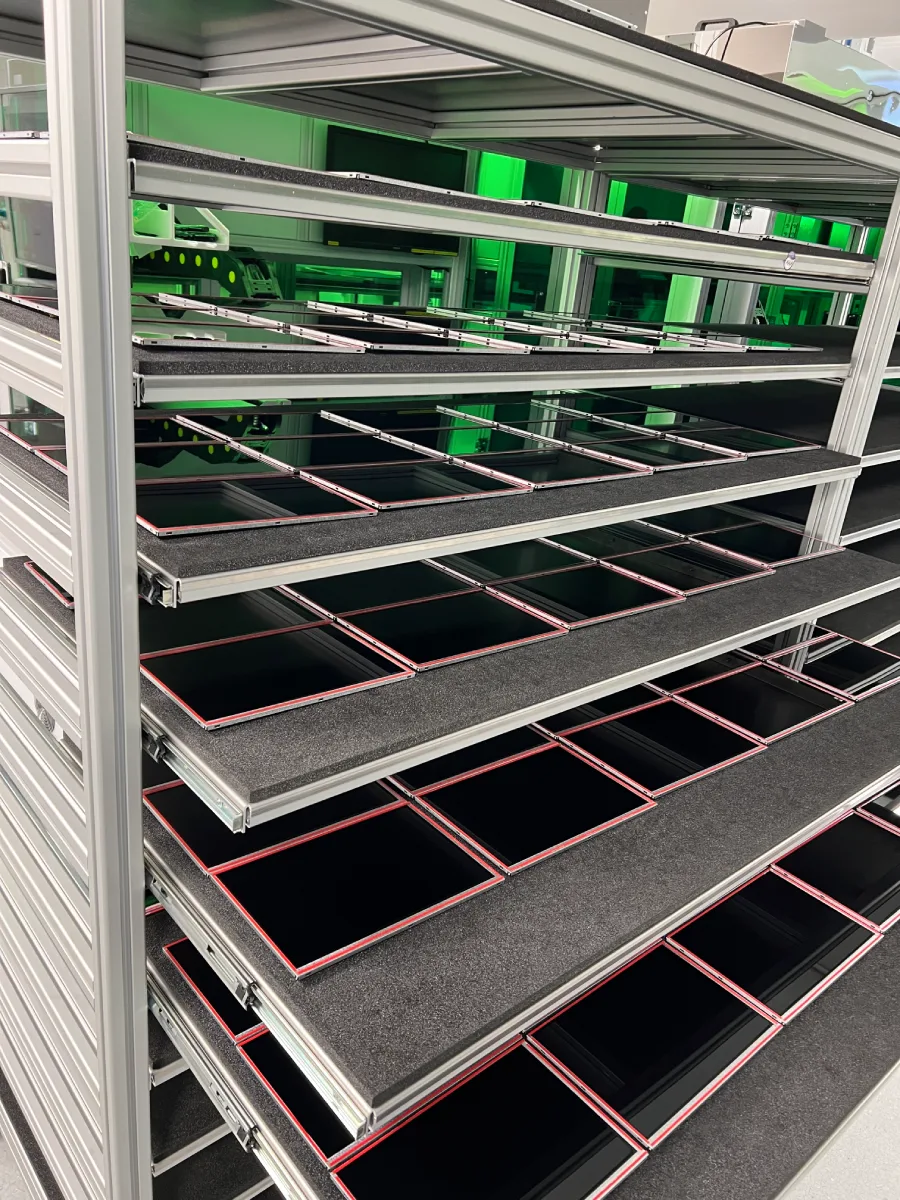
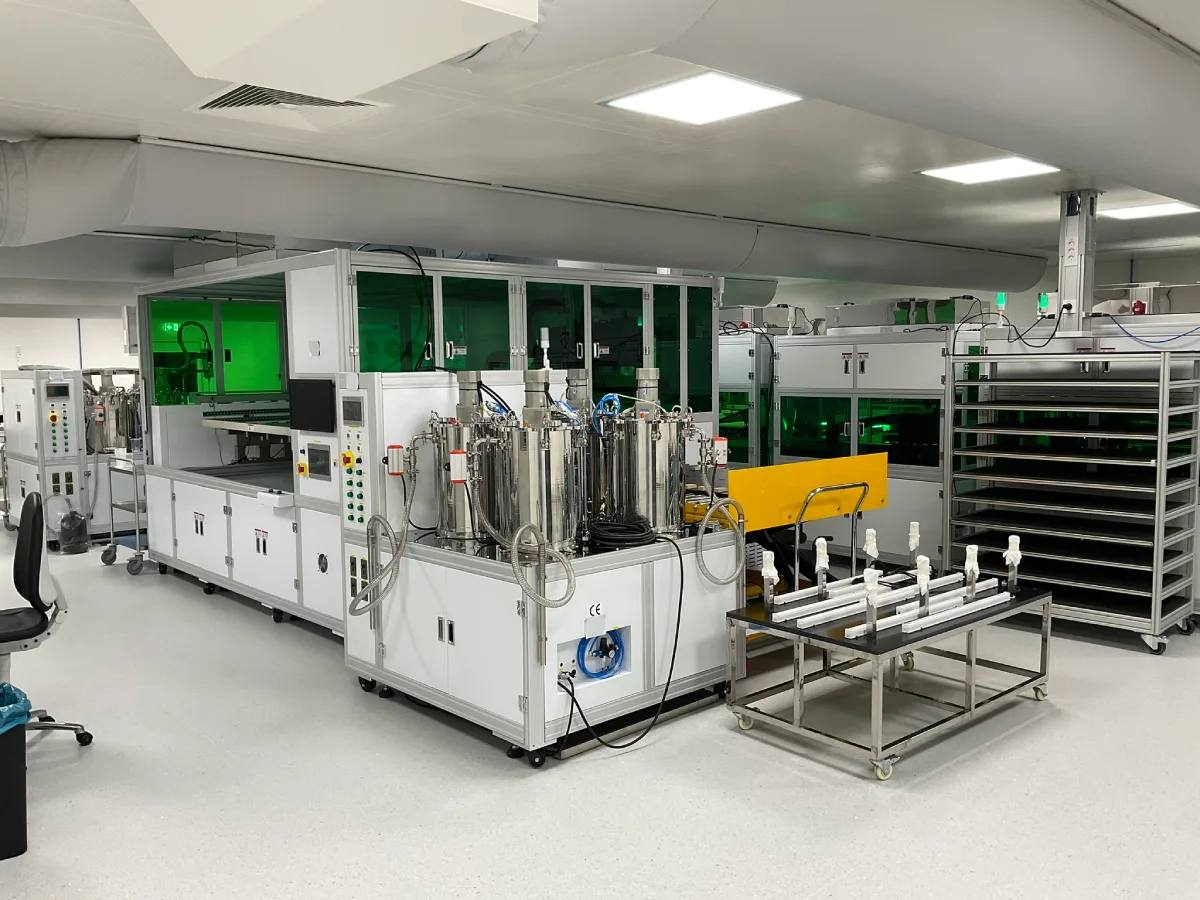
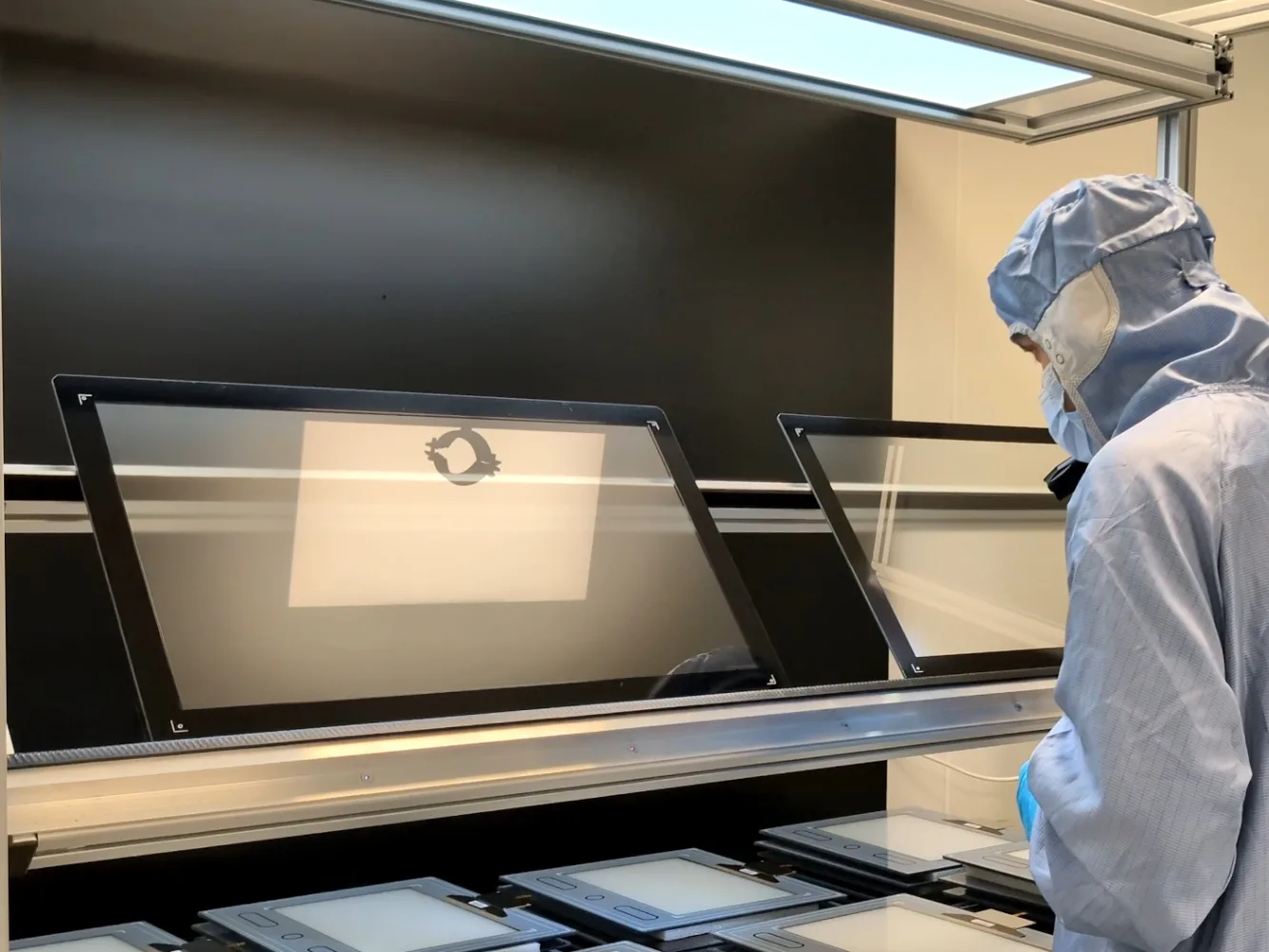
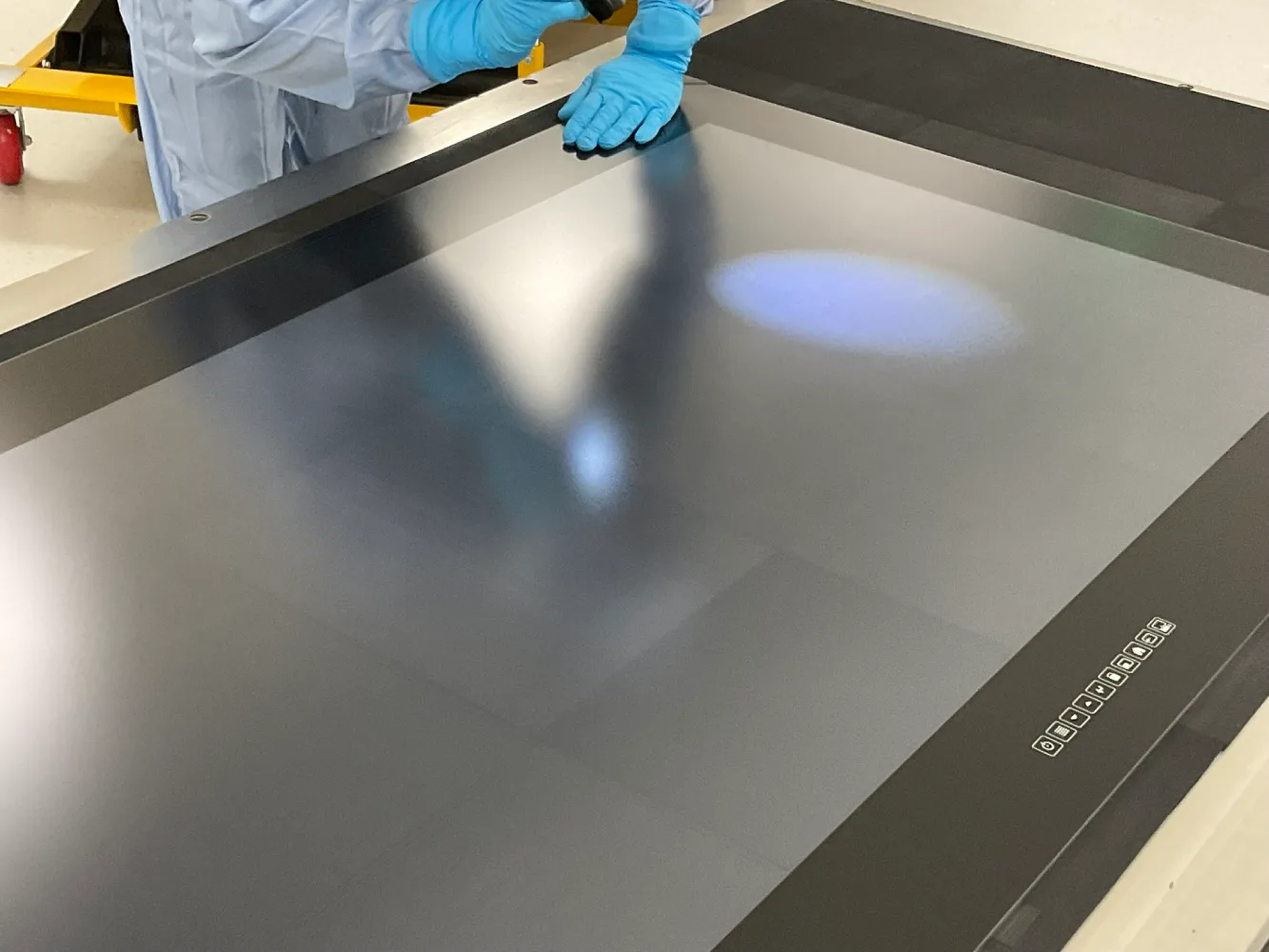
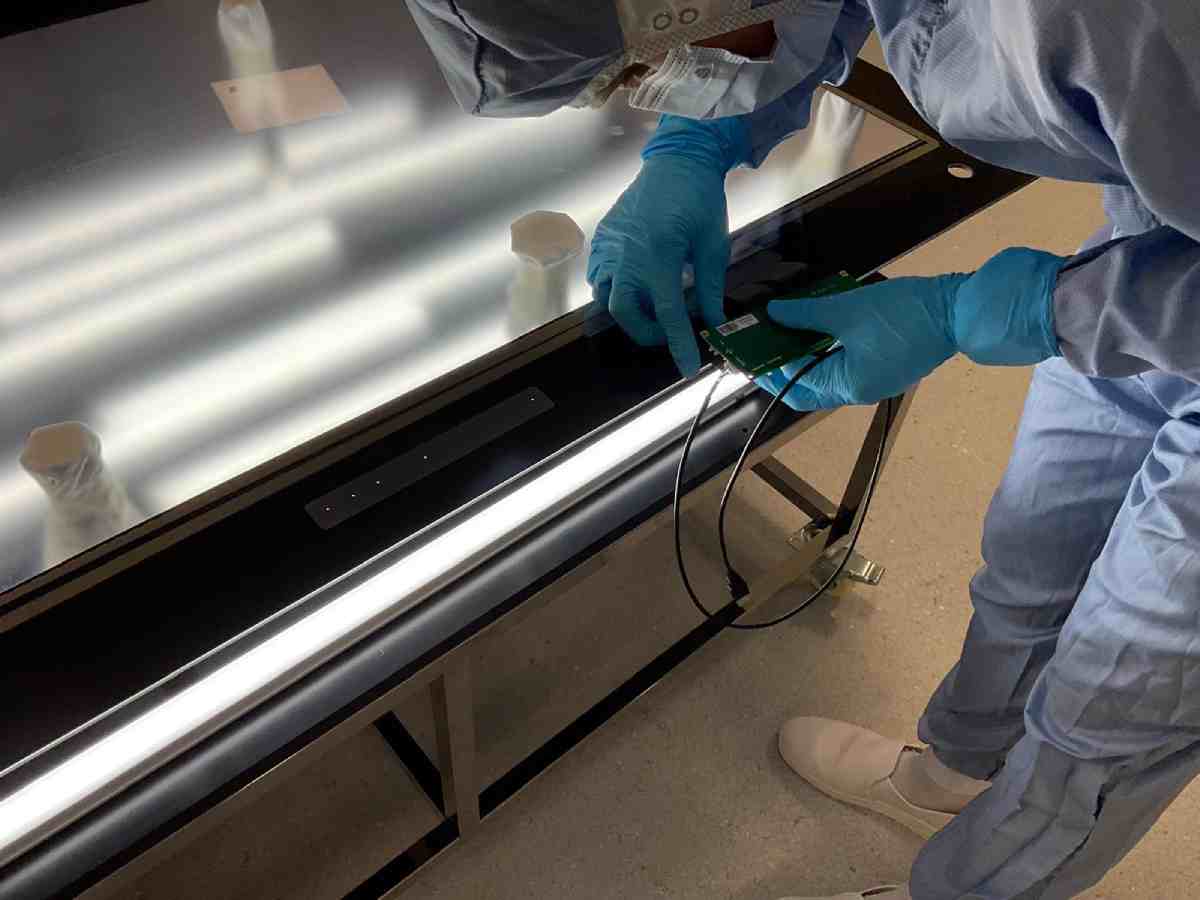
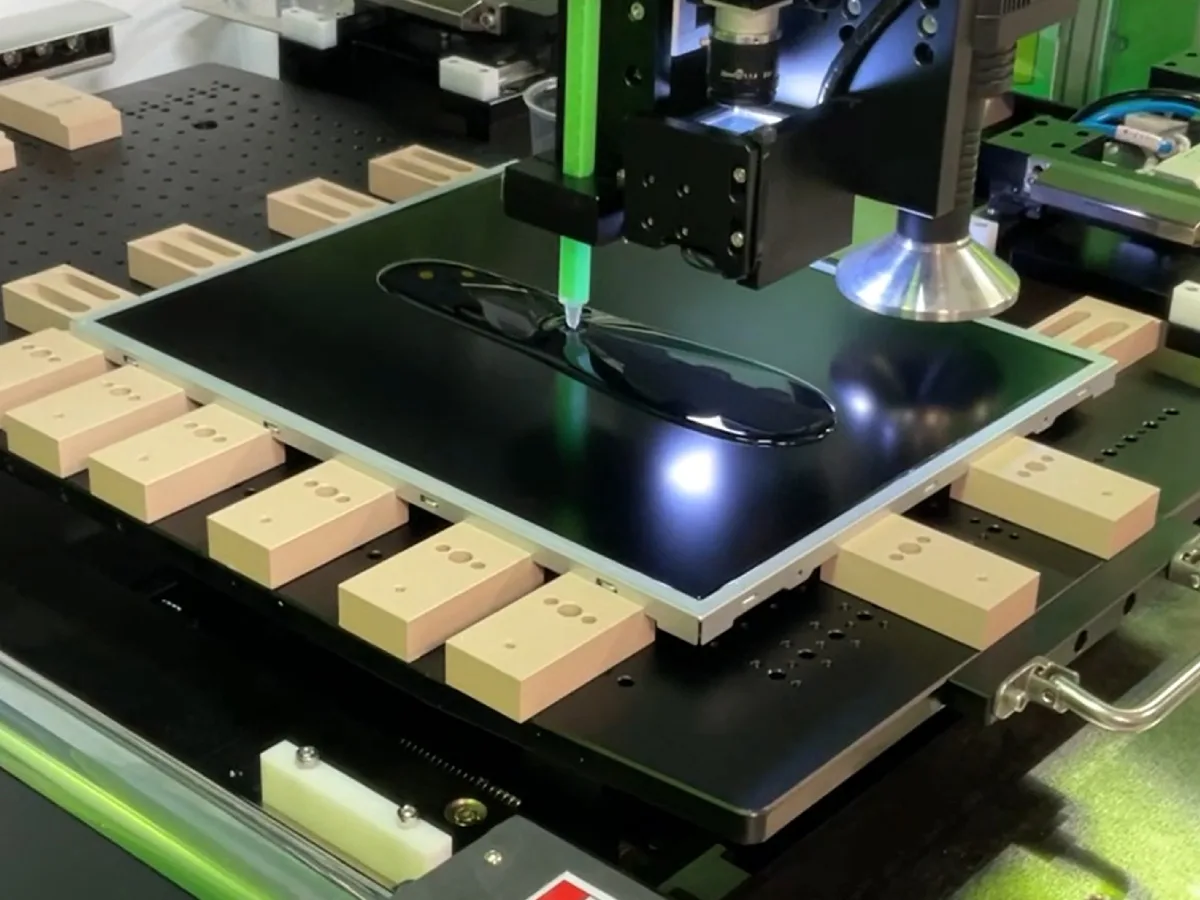
We develop and manufacture tailor-made HMI assemblies – from cover glass and PCAP touch to touch lamination, optical bonding, mechanics, and complete integration including electronics and interfaces.
All critical process steps are reproducible and documented in Germany. Our dynamic engineering stands for fast implementation, customized solutions, and a deep understanding of modern HMI systems.
As a full-service partner, we take over the complete backend manufacturing for display modules – from sourcing & qualification to incoming goods & QA, touch lamination, optical bonding in the ISO-7 cleanroom, cleanroom assembly, kitting & electronics, as well as final testing, packaging, and shipping. Your advantage: one contact person, one process, one quality standard.
Sourcing
Cover glass, touch, displays, electronics, mechanics
Incoming Goods & QA
Inspection, documentation, traceability
Touch Lamination
PCAP on glass, optional functional films, AR films, protective films, filters
Optical Bonding
OCR or OCA in the cleanroom
Cleanroom Assembly
Assembly of frames and housings
Kitting & Electronics
Mainboards, cables, interfaces
Final Testing & Packing
Functional test, visual inspection, shipping
Engineering & Project Planning
Development or flexible support for setup and selection of the right components
Maximum process reliability, short response times, and 100% quality – for high-end HMI assemblies "Made in Germany".
Modular structure, yet fully integrable: From the glass/touch front to optical bonding and the ready-to-install unit including mechanics and electronics.
Optical bonding permanently connects the display and cover glass – for maximum readability, reduced reflections, and a robust, durable assembly. Depending on the application, we use OCR or OCA and control the entire process under regulated conditions.
Precise connection of cover glass & touch sensor – autoclaved and durable.
Process reliability for optically demanding assemblies – reproducible & stable.
Sensor design, controller & firmware – robust, precise, industrial-grade.
Design + Protection + Visibility – tailored to operating comfort and aesthetics.
Ready-to-install modules instead of individual parts – incl. kitting & electronics.
In modern HMI systems, optical bonding is a decisive quality factor: By bonding the display and front glass (or touch), an optically, mechanically, and functionally optimized module is created – free of air inclusions, low-reflection, and particularly robust.
In our OCR process, a liquid, transparent silicone material is applied between the display and front unit and then thermally cured. The 2K silicones used were specially developed for display applications – with outstanding optical clarity, flexibility, and long-term stability.
Advantages of the OCR process:
Particularly flexible application:
In this process, we use highly transparent adhesive films that are laminated between the display and glass/touch unit in vacuum processes without air inclusions. The result: a durable, optically high-quality, and flat bond.
Advantages of the OCA process:
Touch lamination permanently and precisely connects projective-capacitive touch sensors (PCAP) with the custom cover glass – optionally supplemented by functional films. The process takes place in the ISO-7 cleanroom followed by autoclaving.
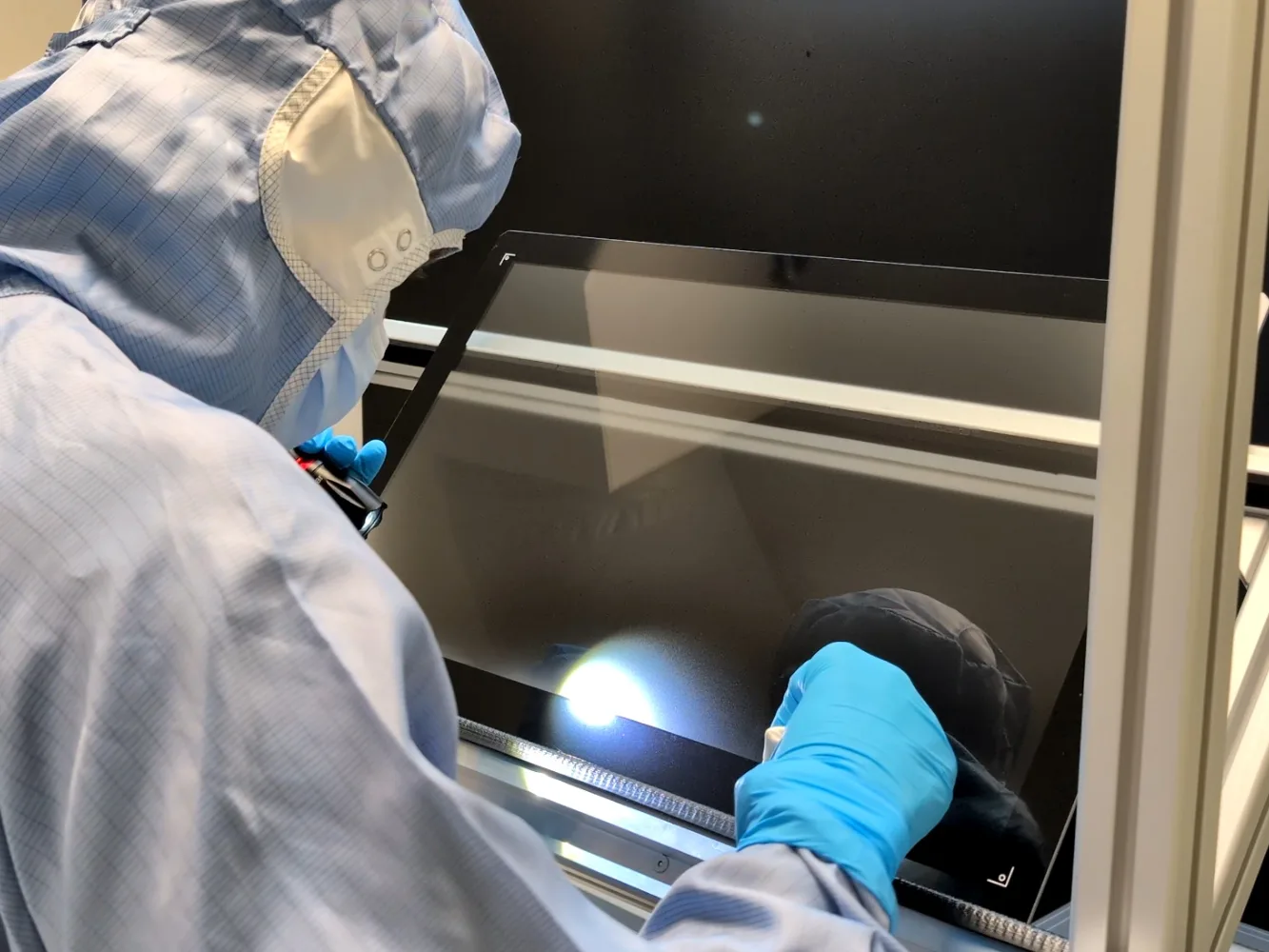
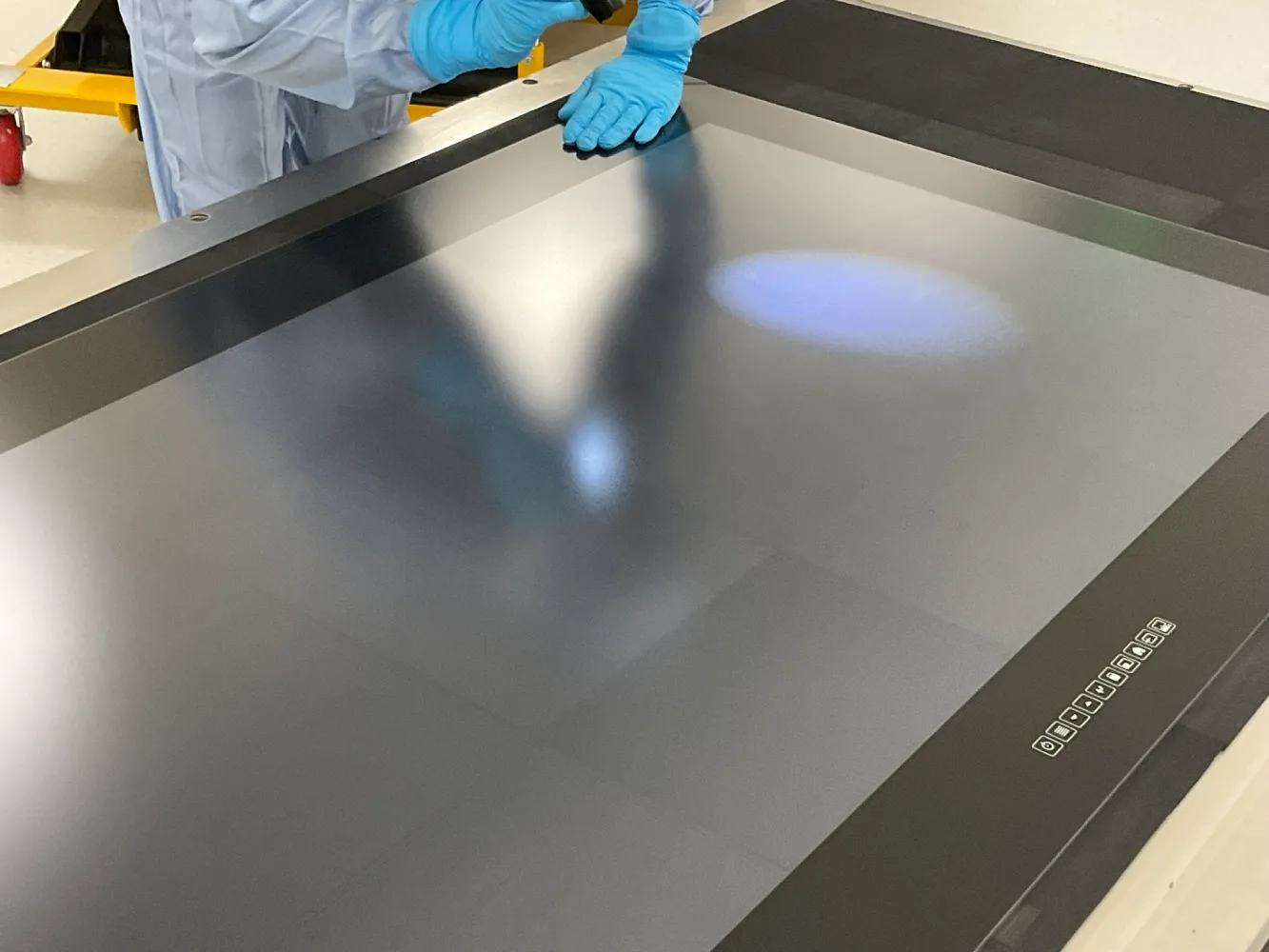

In optical bonding and touch lamination, even the smallest particles lead to visible defects. Therefore, central processes take place entirely in our own ISO-7 cleanroom – from initial handling to the finished assembly.
For systems that must function reliably under light, temperature, vibration, or high quality requirements.
Whether prototype, small series, or production – we check the stack-up, process choice (OCR/OCA/Lamination), and feasibility and deliver a robust, optically clean solution.
We support you as early as the concept phase – from selecting suitable display and touch technologies to defining the optimal bonding stack-up and serial production transition.
In doing so, we consider not only optical quality but also environmental conditions, lifespan, service concepts, and economic aspects throughout the entire product lifecycle.
Briefly describe your HMI assembly – we will get back to you with questions or a suggested appointment.